Fixtures and Touchpoints
Toilets, urinals, flush controls, faucets, counters, dispensers, handles, latches, and grab bars are cleaned according to the agreed checklist.
Serving Toledo, Ohio & surrounding areas
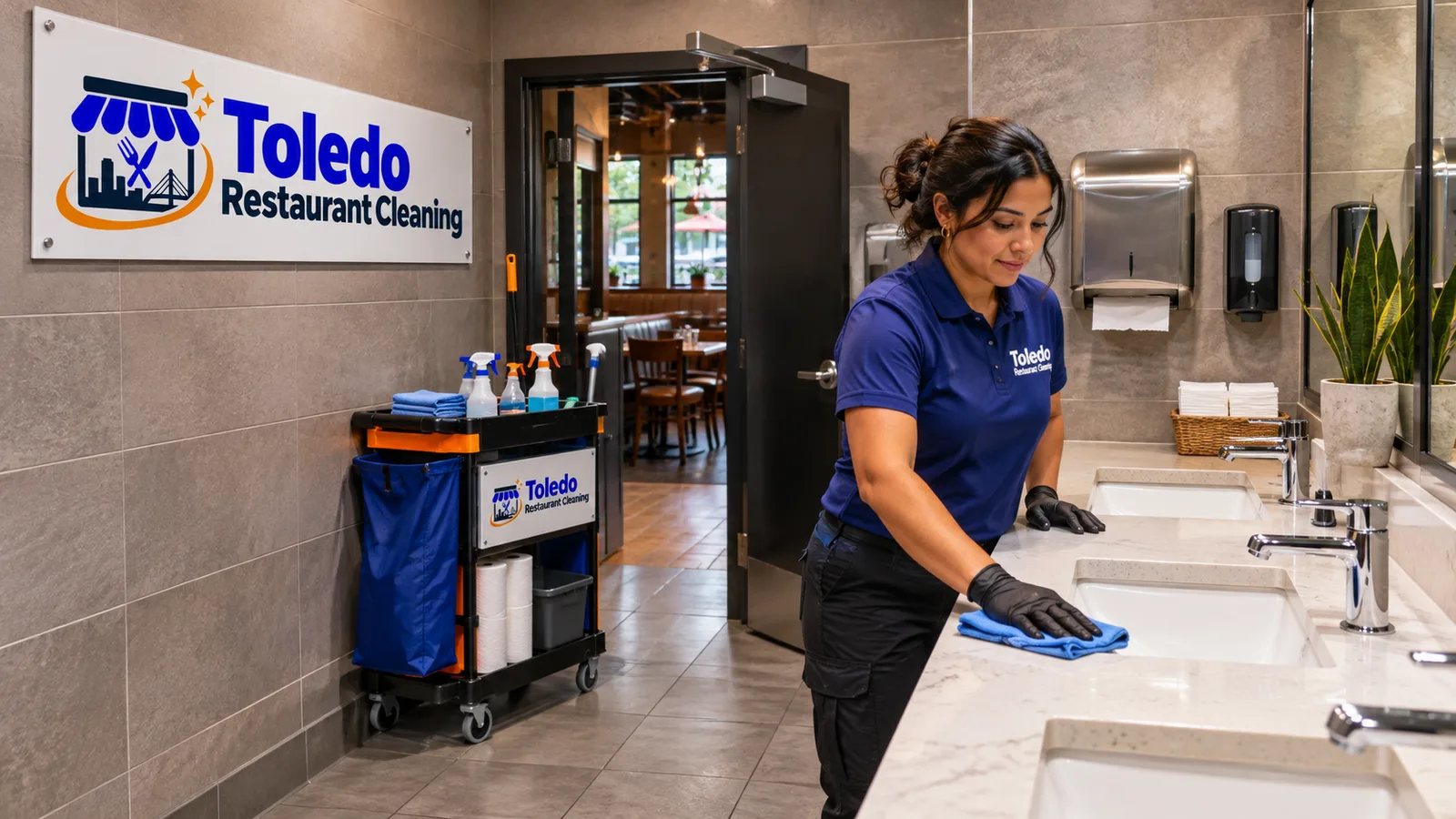
Restaurant Restroom Cleaning · Toledo, Ohio
Keep guest and employee restrooms clean, stocked, and ready for every shift with recurring janitorial care scheduled around your operating hours.
Restaurant Restroom Cleaning requires more than a quick wipe between rushes. High-touch fixtures, splash zones, floors, partitions, dispensers, and odor sources all need consistent attention. Toledo Restaurant Cleaning provides recurring care that gives managers a defined scope and a dependable schedule without disrupting guests or food-service operations.
We plan the work as restaurant specialists serving Toledo, OH around closing procedures, employee access, alarm instructions, and the time the restroom must be ready for the next shift. A written task list can distinguish nightly work from periodic detail cleaning, so managers know what will be completed on each visit.
Local operating conditions matter. Downtown restaurants near Fifth Third Field and the Huntington Center can experience concentrated traffic before and after events. Dining rooms in the Warehouse District may need late access coordinated with closing staff, while restaurants near the University of Toledo can see traffic change with the academic calendar. Winter slush and road salt also reach restroom floors on guests' shoes, leaving gritty residue that requires careful vacuuming or sweeping before damp mopping.
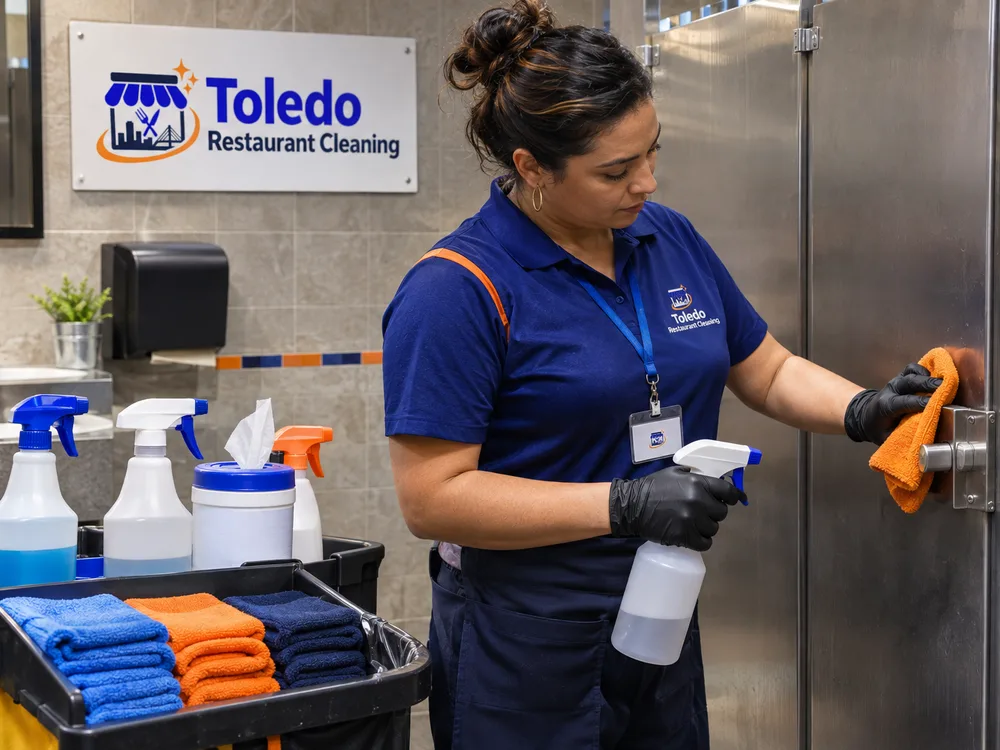
A practical restroom scope starts with toilets and urinals. The cleaner applies the appropriate product, allows the required dwell time, cleans the bowl or fixture, and wipes exterior surfaces including flush handles, seats, hinges, and nearby splash areas. Sinks, faucets, counters, mirrors, dispensers, door handles, partition latches, and accessible grab bars receive attention according to the service plan.
Trash is removed, liners are replaced, and client-provided soap, tissue, and paper products can be replenished. Floors are cleared of loose soil before mopping so grit is not spread through the room. Corners, edges, floor drains, baseboards, and the area behind fixtures can be assigned to nightly work or placed on a rotation, depending on traffic and soil buildup.
Cleaning and disinfecting are separate steps. Cleaning removes visible soil that can interfere with a disinfectant. When disinfection is included, the product must remain visibly wet for the contact time stated on its label. Chemical compatibility also matters because acidic bowl cleaners, disinfectants, glass products, and bleach-containing products should never be mixed.
Included Work
Toilets, urinals, flush controls, faucets, counters, dispensers, handles, latches, and grab bars are cleaned according to the agreed checklist.
Loose debris is removed before damp mopping. Attention can include corners, baseboards, splash areas, floor drains, and residue left by wet or salty footwear.
Waste receptacles are emptied, liners are changed, and approved client-provided restroom supplies can be restocked to assigned levels.
The work targets common sources such as fixture bases, grout lines, splash zones, drains, and waste containers rather than relying on fragrance to cover an issue.
Partition walls, vents, high ledges, grout, baseboards, and other slower-building soil can follow a documented weekly or monthly rotation.
The cleaner checks that floors are left ready for reopening, supplies are set, waste is removed, and the room is returned according to the access plan.
Service Workflow
We review fixture counts, floor materials, dispensers, drains, existing buildup, storage, access restrictions, and the restaurant's operating schedule.
The written scope separates daily restaurant cleaning from rotating detail work. It can also identify which consumables the restaurant supplies and where they are stored.
Managers establish the service window, key or alarm procedure, restricted areas, and the person responsible for reporting schedule changes or maintenance concerns.
After service begins, the scope can be checked against actual traffic and soil conditions. Adjustments may be made when event nights, seasonal traffic, or operating hours change.
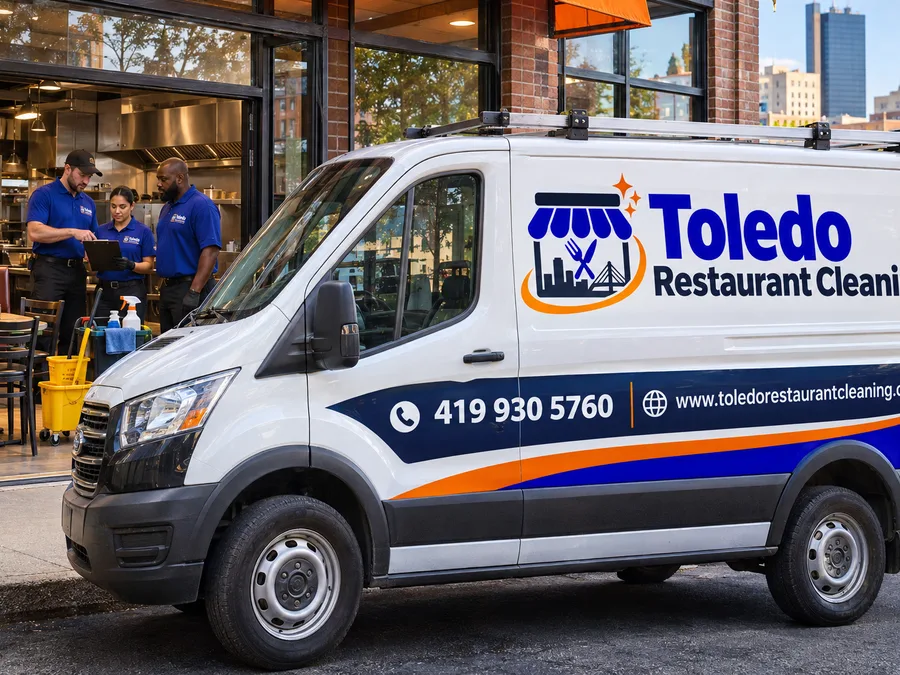
Restaurant Night Cleaning is often scheduled after the dining room closes and employees complete their restroom checks. This gives the crew room to place wet-floor signs, move through the full checklist, and leave surfaces ready before opening. The exact arrival window should account for late tables, bar closing times, delivery access, and alarm procedures.
Nightly Restaurant Cleaning in Toledo may need flexible instructions for event-driven traffic. A downtown location can be quiet on one night and heavily used after a Mud Hens game or arena event on another. Clear access notes help the janitorial crew respond without interfering with closing duties.
An effective handoff also covers exceptions. A leaking toilet, loose dispenser, blocked drain, damaged partition, or persistent odor may be a maintenance issue rather than something more chemical can solve. The crew should report the condition promptly so management can arrange repair. For Restaurant Janitorial Services Toledo operators can rely on, communication is part of the routine rather than an afterthought.
Clear Expectations
Ask for a scope specific to each restroom rather than a general promise to clean. It should identify fixtures, floors, waste, restocking, touchpoints, periodic tasks, and exclusions. The service window, access procedure, chemical storage rules, and method for reporting damaged fixtures should also be clear.
Product use deserves direct questions. Disinfectants should be used according to their labels, including dilution and contact time. Safety Data Sheets should be available for workplace chemicals. Color-coded cloths or dedicated restroom tools can help prevent a toilet-area cloth or mop from being carried into another operational area.
Also decide how quality concerns will be documented and corrected. A useful review focuses on observable conditions: residue on fixtures, missed edges, empty dispensers, overflowing waste, standing water, odor sources, or incomplete periodic work. These details give a recurring restaurant cleaning plan a measurable standard.
Pricing Factors
Recurring restroom service for a Toledo restaurant typically costs about $40 to $120 per visit, while larger multi-restroom facilities or scopes bundled with broader janitorial work may run $120 to $300 or more per visit. Frequency can affect the effective visit rate.
Final pricing depends on restroom count, fixture count, traffic, current condition, floor material, service timing, consumable restocking, periodic detail tasks, and whether heavy buildup needs an initial cleaning. Access complexity and late-night scheduling also matter. The exact cost is confirmed after a walkthrough and written scope.
Get a written cleaning scope built around your restroom layout, closing routine, traffic patterns, and preferred service frequency.
Call for a Free QuoteFAQs
Yes, overnight restaurant cleaning can be arranged around the restaurant's closing routine and approved access window. The plan should account for late guests, employee closeout tasks, alarm instructions, key control, and the time floors must be dry before the next shift.
The right frequency depends on daily traffic, operating hours, fixture count, and how much checking employees perform during service. Busy dining rooms may need professional cleaning nightly, while staff still handle spills, supply checks, and urgent conditions during open hours. Downtown Toledo event traffic may justify a heavier scope on selected nights.
Restocking can be included, but the written scope should state who purchases the soap, tissue, liners, and paper products. It should also identify storage locations, target stock levels, and the process for reporting low inventory before a dispenser runs empty.
Cleaning can address odors caused by residue around fixtures, grout, drains, waste containers, and splash zones. Odors caused by a dry trap, blocked drain, active leak, failed seal, or damaged fixture require maintenance or plumbing work, and the condition should be reported rather than covered with fragrance.
A nightly scope commonly covers fixtures, sinks, counters, mirrors, touchpoints, trash, liners, restocking, and floors. Edge work, floor drains, partitions, vents, grout, and baseboards may be completed nightly or assigned to a rotation based on the Toledo restaurant's traffic and condition.
Yes, recurring restaurant cleaning can be adjusted when operating hours or expected restroom use changes. Restaurants near Fifth Third Field or the Huntington Center may want different timing or added attention after major events, while winter conditions may require more floor work because guests track in moisture, grit, and road salt.
The start date depends on walkthrough availability, scope approval, access arrangements, supply needs, and the requested service schedule. A complete restroom count, preferred cleaning window, alarm instructions, and storage plan can make setup more efficient.
Plan the Next Step
Tell Toledo Restaurant Cleaning about your hours, restroom layout, current concerns, and preferred frequency. We will help define a practical recurring scope for nightly care.